



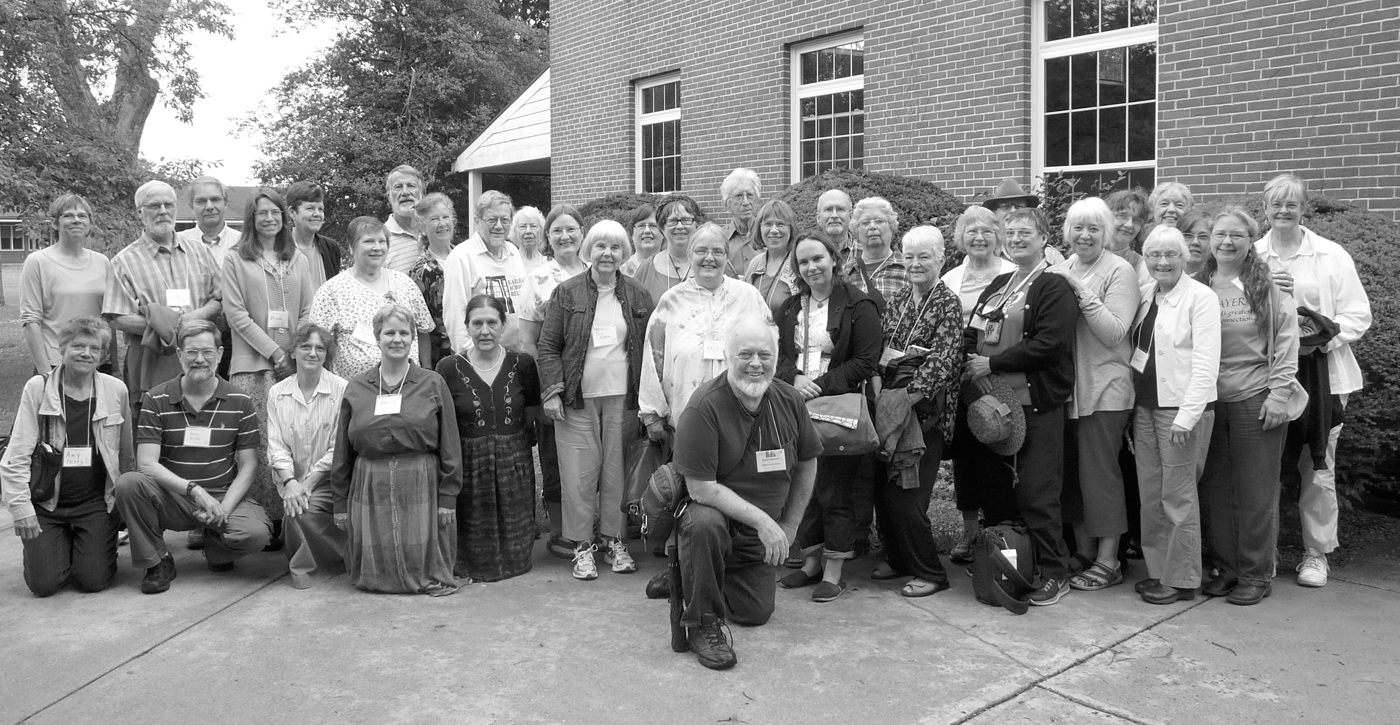
The volunteer staff of What Canst Thou Say? (WCTS), a quarterly journal focusing on Quaker mysticism and contemplation, have decided to lay the publication down.
It began in 1994 as a print periodical featuring personal accounts of authors, who were mostly Quakers living in the United States but also some from Canada and Great Britain. The WCTS team also maintained a website; a listserv; and two blogs, both of which started in 2013: Quaker Mystics: Gathering for Discernment of God’s Guidance and Worship Sharing in Print. The all-volunteer staff also produced three anthologies, one for each decade the journal was in print. In addition, WCTS hosted in-person gatherings at which participants could discuss mysticism.
The name What Canst Thou Say? comes from a message George Fox delivered in 1652 in a church in Ulverston, England, where Margaret Fell was worshiping. “You will say, Christ saith this, and the apostles say this; but what canst thou say? Art thou a child of Light and hast walked in the Light, and what thou speakest is it inwardly from God?” Fox said.
Health concerns and advanced age led volunteers to lay the project down, explained Judy Lumb, 82, who had served as layout editor since 2000. Lumb officially discontinued her work with WCTS about six months ago. Recently, the group recruited an additional layout editor who worked on the journal from her hospital bed while being treated for cancer, according to Lumb. Lumb also volunteered as an editor of the print edition; every year there were four editors, each in charge of one issue.
The inaugural issue was published in October 1994 by Jean Roberts and Jim Flory of North Pacific Yearly Meeting. The last issue was published in 2024. More than 30 Friends were involved with producing the journal over the years, according to the website.
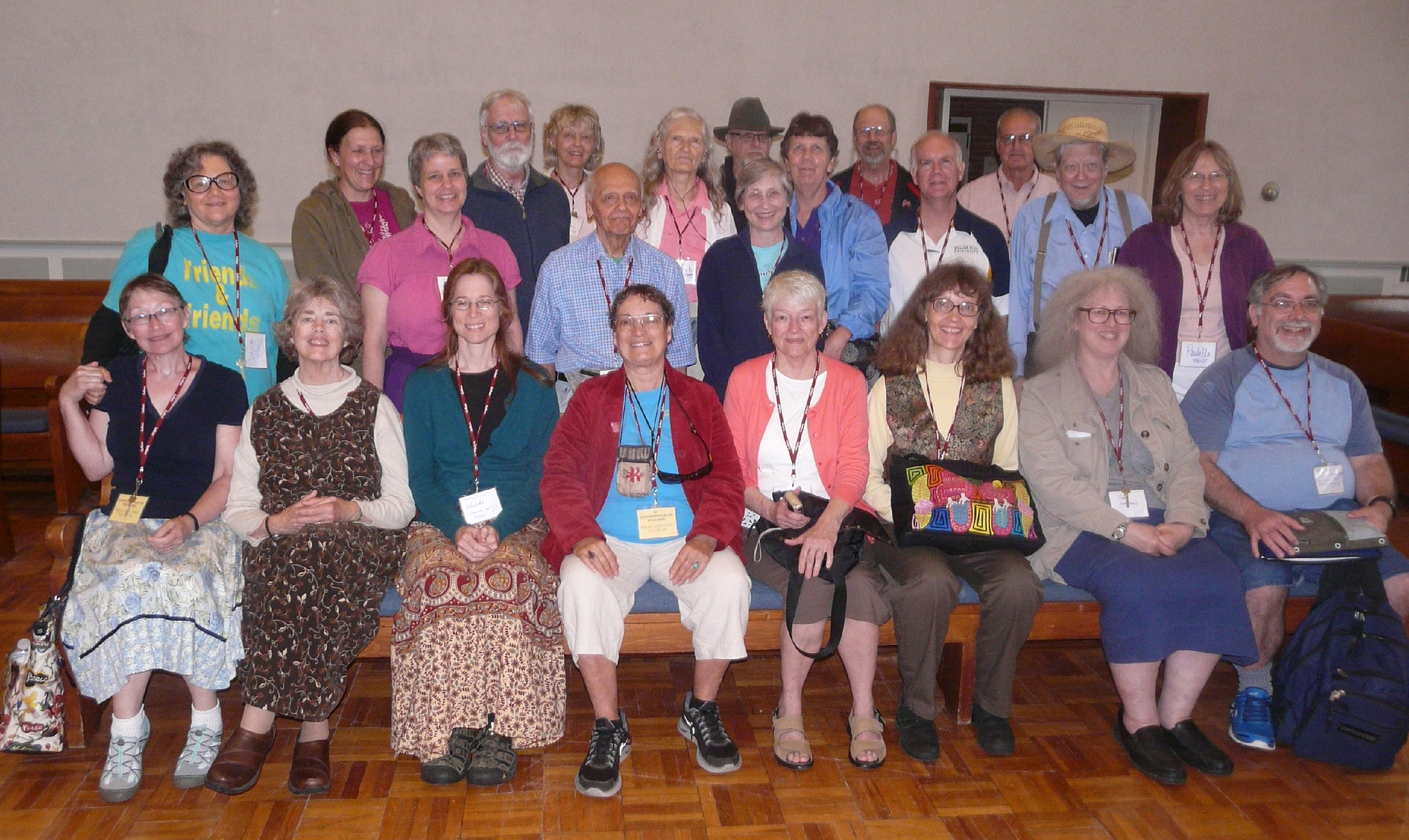
WCTS offered paid subscriptions. It cost about $300 per issue for printing and mailing. The publication relied heavily on donor support, according to editorial team member Michael Resman. The group has $6,000 left and has not decided how to use it.
Members have agreed that they do not have the energy to continue the publication, but would strongly like others to take over. They have not found volunteers to do so, despite a two-year search, Resman noted. Resman is a member of Rochester (Minn.) Meeting.
One of the most important things Lumb learned from working on What Canst Thou Say? was how much she enjoyed collaboration and friendship. “We’re just really close Friends. It makes me sad to put it down,” said Lumb, who is a member of Atlanta (Ga.) Meeting.
The publication’s team also mourns the loss of essential member Mariellen Gilpin, who volunteered to edit the journal and also wrote many articles. Gilpin died in 2023.
“There are people who hold things together, and she was one of them,” said Eric Sabelman, a member of the editorial team. Sabelman is a member of Palo Alto (Calif.) Meeting and attends a worship group at Friends House in Santa Rosa, Calif., where he lives.
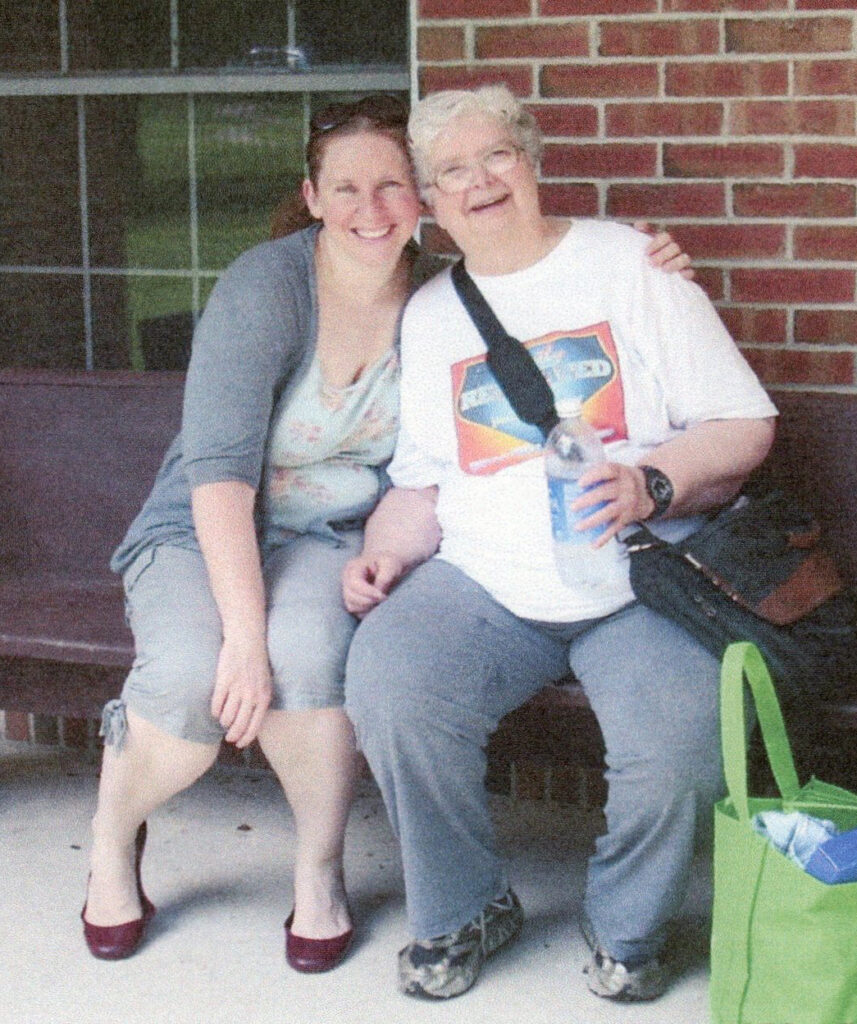
Mariellen Gilpin wrote in 2012 (reprinted in 2020) about being recruited to join the editorial team of What Canst Thou Say? She worried that she lacked experience and lived with a mental illness, but Friends who volunteered with the journal taught and encouraged her. In addition to volunteering as an editor and writer, Gilpin developed spiritual penpal relationships with contributors with whom she emailed.
What Canst Thou Say? provided contributors with opportunities to share their mystical experiences with readers who believed them, participants explained. The journal explored dramatic mystical experiences as well as more quotidian micro-epiphanies.
“It’s a way of saying that you don’t have to wait for this life-changing experience that will make you into a monk instantaneously,” Sabelman said when asked to explain micro-epiphanies. As an example, he suggested one might pause when passing through a doorway and be open to whatever might be encountered on the other side.
Sharing mystical experiences was not limited to Quakers. One woman who attended a WCTS gathering heard the voice of the Virgin Mary and had religious visions, according to Janice Stensrude, who volunteered as an editor. Another reported a near-death experience in which he went through a tunnel and saw predeceased family members, Stensrude explained.
Members of the editorial team often knew firsthand the importance of having a place to share mystical experiences. Years ago, while living in Australia, Stensrude had visited various churches and was considering becoming a Buddhist, but a mystical experience convinced her to remain Christian. “I woke up one morning and there was a, like, a neon sign floating in the air, wow, kind of over my head, up in front of me, and it said, ‘Christ is the answer,’” Stensrude said.
As a result of the vision, she began attending her local Quaker meeting. Stensrude currently attends the morning Zoom worship meeting of Pendle Hill study center in Wallingford, Pa. She also occasionally worships virtually with Friends in Australia.
Michael Resman had an epiphany in meeting for worship that caused him to feel scared and worried. He had been attending meeting for about five months when a beloved Friend was in a car accident that almost killed her. He sat in silence demanding an explanation of how God could have allowed the crash. Then he experienced being lifted into heaven for ten minutes. “I walked away from that knowing that God is perfect love and that heaven is forever,” Resman said.
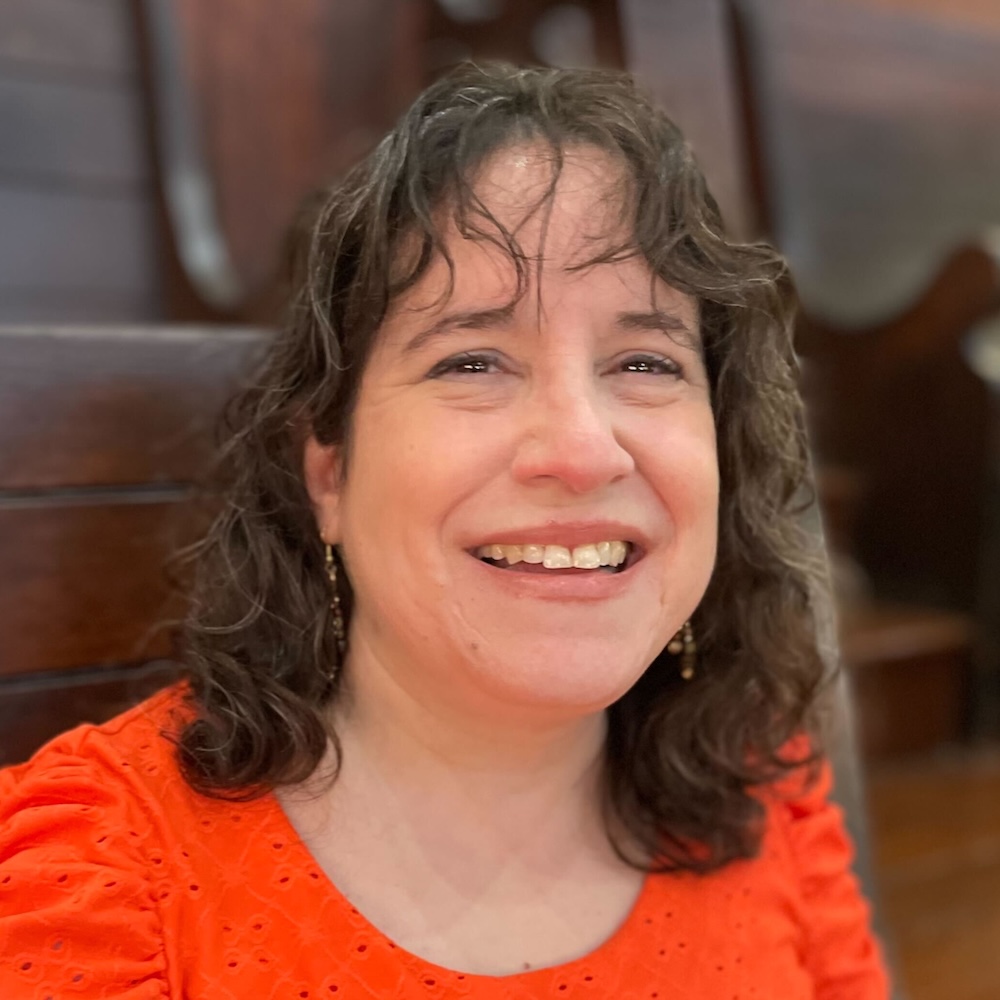
I’m grateful to the editors of What Canst Thou Say? who have provided the WCTS newsletter for so many years, as well as several wonderful ,gatherings as a way to encourage the sharing of profound spiritual experiences and to support those who have had direct experiences of the divine, which can sometimes be overwhelming and require support in integrating into one’s life in a healing and growth-producing way. The volunteer editors have worked hard and lovingly for a very long time. I’m glad to see this recognition of their work in Friends Journal.