




In the seventeenth century, Quaker missions existed in English-speaking islands in the Caribbean, especially Jamaica and Barbados, but not in Spanish-speaking areas of the Americas. Those English-speaking meetings—populated by Europeans residing in those islands—died out in the eighteenth century, although Quakerism in Jamaica began again in the 1880s, as North American Quaker missionaries brought the gospel to Black Jamaicans. That later embodiment of Jamaican Quakerism continues today.
Evangelism among Spanish-speaking peoples in the Americas began in the latter part of the nineteenth century, sponsored by Orthodox American Friends of an evangelical persuasion. First to be evangelized was Mexico, beginning with outreach from Indiana Yearly Meeting Friends in 1871. A monthly meeting was established in Mexico City in 1888, and diverse Friends in the United States have engaged in outreach to Mexicans since that time. Various Friends began mission work in Cuba in 1898, roughly around the time of the Spanish–American War.
The 1901 journey of missionaries Thomas J. Kelly and Clark J. Buckley to Guatemala began Quaker outreach in Central America. A Friends missionary presence in Bolivia began in 1919, and the faith took root among the Aymara peoples. These Quaker missions spread across international borders. In Central America, Friends churches spread to Honduras and El Salvador. From Bolivia, Friends churches spread to Peru. There are also small numbers of Friends in some other Latin American countries. While counting the number of Friends in any country is difficult, there may be about 30,000 Quakers in Bolivia and about 20,000 in Guatemala. Those are the two largest national populations of Friends in Latin America. This is not a comprehensive listing.
Quaker missions arose from a variety of motivations. Quaker missions were part of a Protestant missionary movement that stemmed from a great deal of zeal and dedication to share the Christian message worldwide. This cause enlisted the enormous energies of groups such as the Methodists, Baptists, Holiness Christians, and eventually Pentecostalists. Orthodox Quakers—though relatively small in numbers even in the United States—were positioned firmly in the middle of such movements. Many of the Quaker missionaries were graduates of Quaker holiness schools, such as the Training School for Christian Workers (now part of Azusa Pacific) in Southern California. When they began their ministries in Latin America, they often preached, held church services, and distributed Bibles. The overall tenor of Quaker mission work in Latin America was evangelical and holiness-Christian-oriented, at least in the beginning.
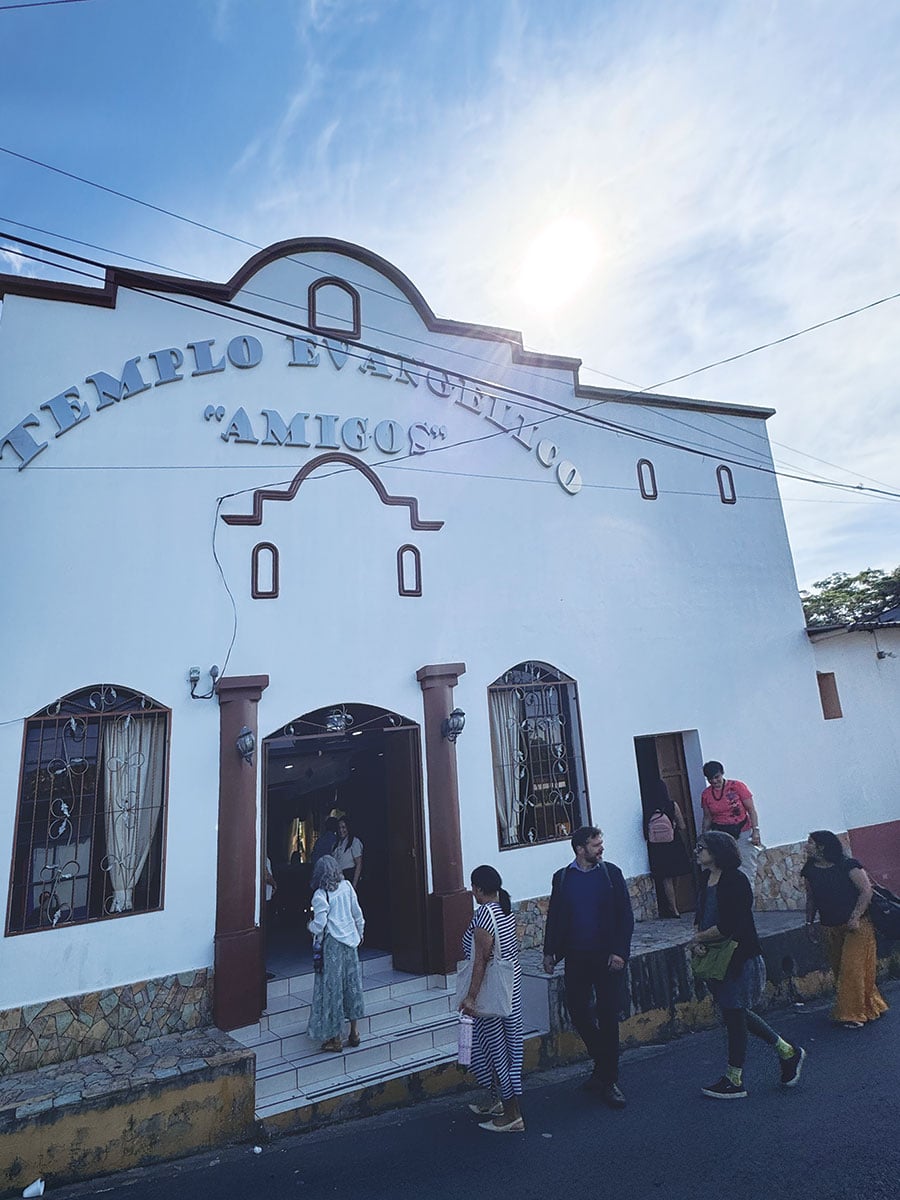
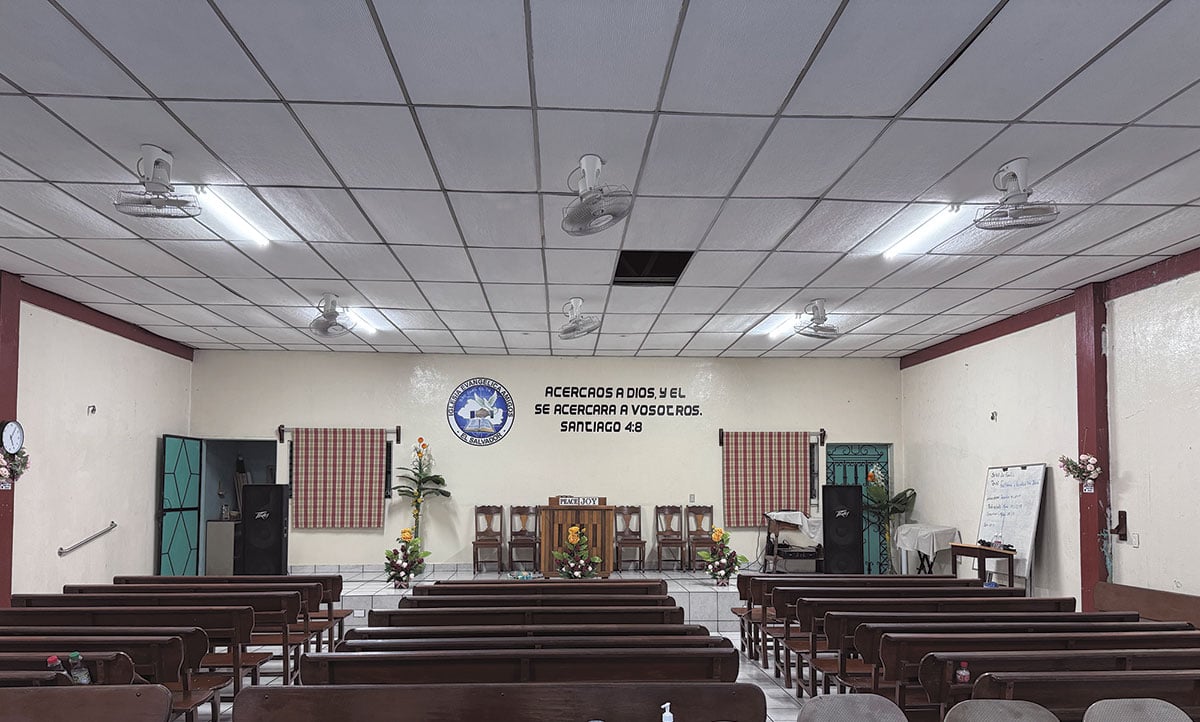
Friends Church, San Ignacio, El Salvador, exterior (top) and interior (bottom).
It is also true, however, that Quaker distinctives tended to be quite important for Friends missionaries, and this distinguished them to a considerable extent from other Protestant Christian missionaries. Quakers, for example, were strongly in support of women’s ministry and generally exemplified this both among Indigenous converts and missionaries from abroad. These Quaker evangelists usually preached that the Christian sacraments were spiritual; this was different from, for example, the water baptism of other Christian missionaries, and it required some explaining. Quakers actively witnessed for peace: at great personal cost, young Quaker men attempted to attain conscientious objection status in the Chaco War between Bolivia and Paraguay between 1932 and 1935. Quakers unsuccessfully attempted to mediate between the long-standing Cuban regime of Fulgencio Batista and the Cuban revolutionaries led by Fidel Castro in 1958. Distinctives concerning peace and the spiritual basis of the sacraments were clearly defined in the Richmond Declaration of Faith that most Orthodox Friends agreed to in 1887 and which subsequently served to be a doctrinal touchstone for these Friends throughout most or all of the twentieth century.
Especially important was the establishment of schools by Quaker missionaries. Strictly speaking, this is not a Quaker distinctive—other Christian denominations also founded schools—but it was a work that Quaker missionaries pursued intently and with great determination, care, and perseverance. It is hard to imagine how Latin American Quakerism could have become all that it has without, for example, the Berea Bible Training School established in Chiquimula, Guatemala, by R. Esther Smith in 1921. Perhaps its most consequential graduate was Juan Ayllon, a native Bolivian and Berea graduate who played an instrumental role in spreading Quakerism in his home country. Other Berea graduates spurred on the mission work in Guatemala and neighboring regions of Central America. A Bible training school was later established in Bolivia. Cuban Friends who wanted to become ministers attended the ecumenical Protestant seminary at Matanzas, Cuba. However, that seminary did not provide instruction in peace studies or in Quakerism, so in 2013, Cuba Yearly Meeting founded the Cuban Quaker Institute for Peace to complete their ministers’ educations.
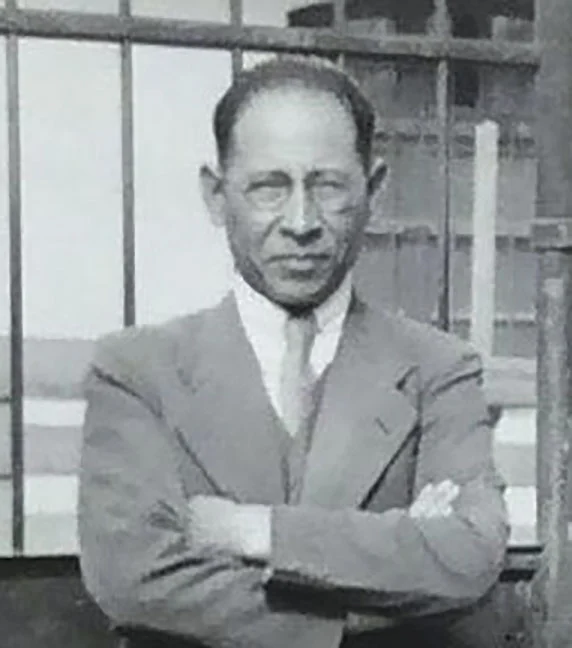
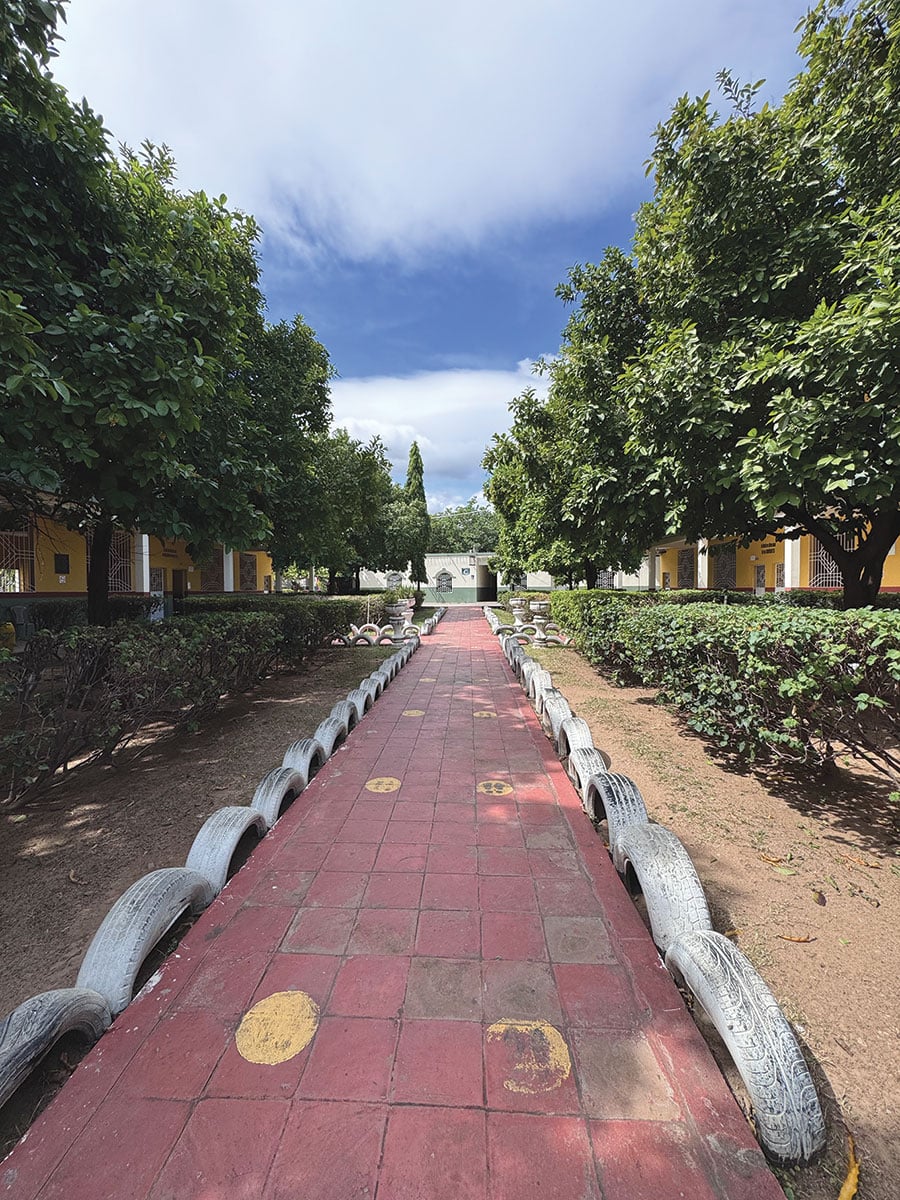
But it would be a mistake to think of Quaker work on behalf of education as solely—or even mainly—about educating ministers and evangelists. In fact, they worked more ambitiously to establish a network of schools that would also encompass what Americans would call primary and secondary education. In Cuba, such schools were founded at the four main mission points at the eastern end of the island: Gibara, Holguin, Banes, and Puerto Padre. While the Bolivian government operated schools for children, the Iglesia Nacional Evangélica de Los Amigos (INELA) also founded such schools, with a peak enrollment in 1958 of 644 children across 25 schools.
This educational work sometimes proved uneven. After the Cuban Revolution of 1958, the government confiscated schools and school buildings operated by Cuban Friends. Cuban Friends would not be able to reclaim these buildings until the twenty-first century, and by then, they were dilapidated.
The educational efforts of Latin American Friends have sometimes attracted financial support from Friends of the Global North across the branches of Friends (the Bolivian Quaker Education Fund being an example of one such donor). As Bolivian Friend Emma Condori Mamani writes in The Quaker World, “Protestant Christianity meant hope for Bolivians living an oppressed life. . . . Aymara believers understood Christianity as a way of life when they saw the missionaries’ work for education and healthcare.”
Quaker missionaries struggled to position themselves in relation to the colonialist onslaught and the greatly varying social and political movements of their day. Cuban Friends provide a vivid example of this.
Captain Lorenzo Dow Baker, president of the United Fruit Company, which had a large estate in Banes, Cuba, provided impetus for the establishment of a Quaker mission on the eastern end of the island. The Quaker missionaries chose to locate the Cuban Quaker headquarters in Giabara, some distance east along the coast from Banes, realizing it could be problematic to be so closely identified with this colonialist enterprise. Fulgencio Batista, the corrupt dictator overthrown in the Cuban revolution, had been a student in the Friends school in Banes. While he held power, Batista cynically attempted simultaneously to compromise Quaker testimonies against gambling and to support Quaker education by allocating a share of the funds from the national lottery to the Friends schools. Quakers declined these funds.
Still, in the early 1960s, as Fidel Castro consolidated power on the island, Cuban Friends were heavily harassed in their worship, and it is not an exaggeration to suggest that they were mostly forced underground for about two decades. A faithful few kept the Cuban Friends church alive during those oppressive years, while other Cuban Friends emigrated to Miami, Florida. In the 1980s, the Cuban authorities became more respectful of Christian religions, and Cuban Quakers were able to resume open worship as Friends.
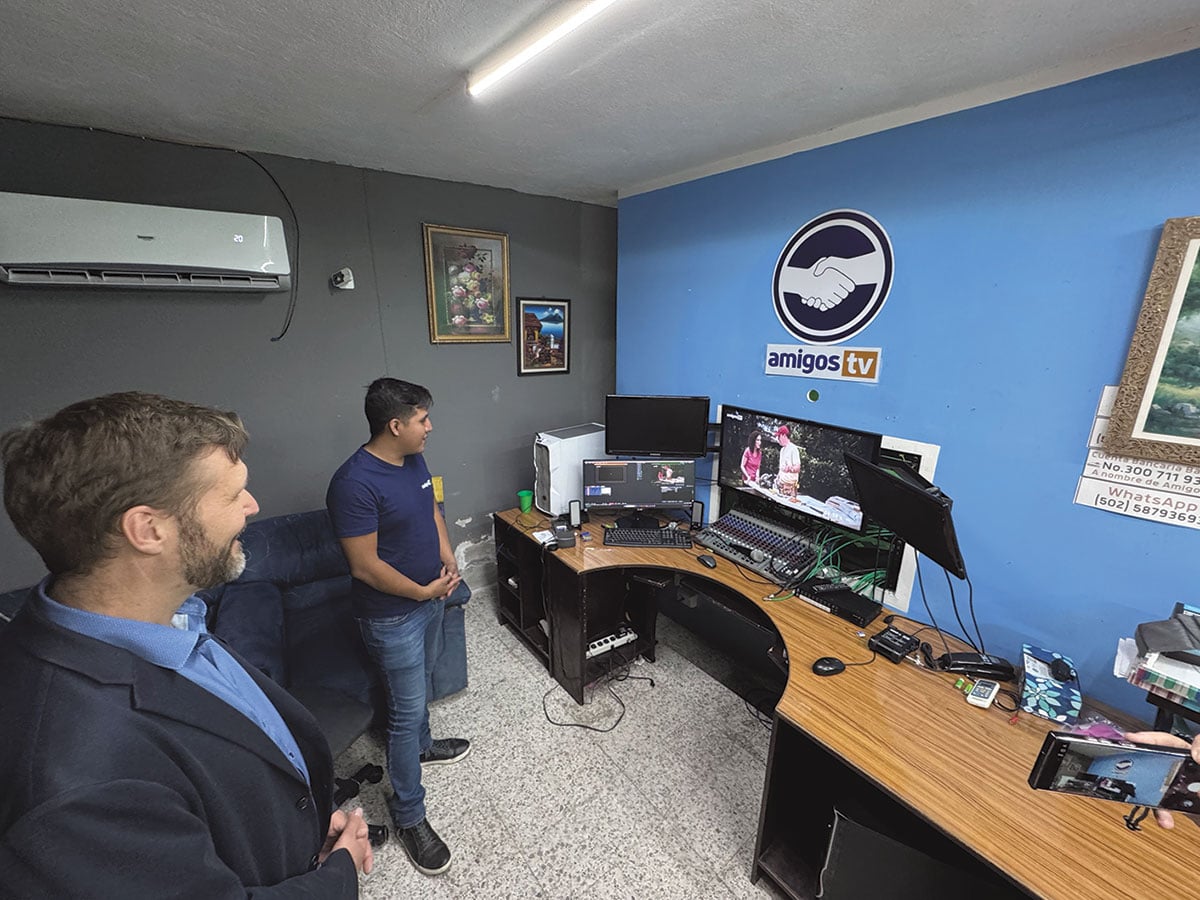
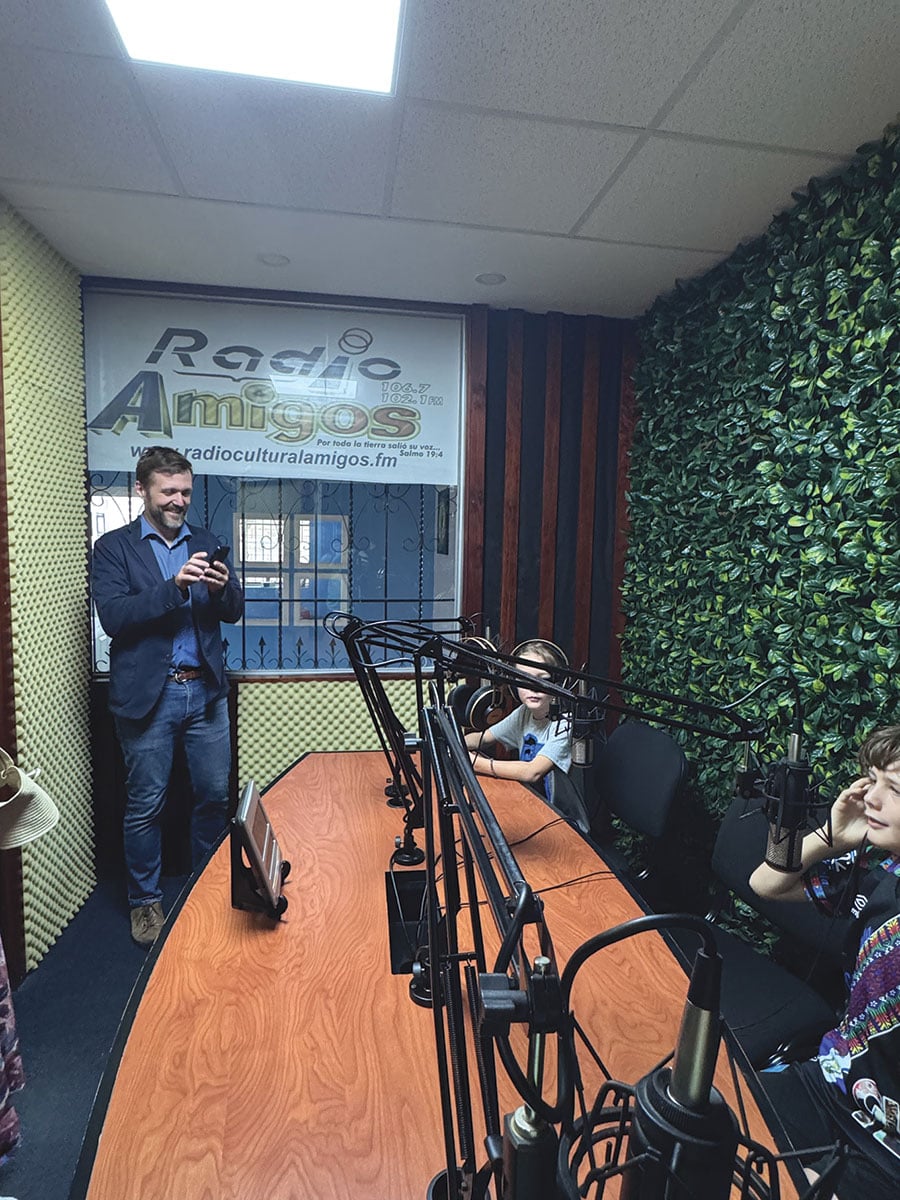
Evan Welkin (left), executive director of FWCC Section of the Americas, visiting the studios of Amigos TV (top) and Radio Cultural Amigos (bottom), both in Chiquimula, Guatemala.
Since the mid-nineteenth century, evangelical Protestants have had as a strong ideal the establishment of self-governing, self-supporting churches. Friends have subscribed to this ideal. Accordingly, the missionaries from the Global North worked to set up autonomous yearly meetings in the Latin American countries where they evangelized. A yearly meeting was established in Cuba in 1927. The Evangelical Friends Mission established Mexico Yearly Meeting in 1967. Both Guatemala and Bolivia have multiple yearly meetings, established at various years. The birth date of the Iglesia Nacional Evangélica de los Amigos (INELA) in Bolivia is considered to be 1952.
Relationships between the missionaries from the Global North and the Indigenous yearly meetings or Friends churches from the Global South are generally characterized both by cooperation and conflict. The process to achieve autonomy for Indigenous churches is not always straightforward, as issues of equity of finance and shared leadership power come to the fore both before and after the establishment of such yearly meetings.
In the twenty-first century, Friends from the Global North and the Global South often tend to meet and to share fellowship at the Section of the Americas meetings of Friends World Committee for Consultation (FWCC). One such joyous occasion took place in Chiquimula, Guatemala, in 2006. Nancy Thomas, who took part both in the meetings that joined Friends from all over the Americas and those specifically for Latin American Friends, writes in The Cambridge Companion to Quakerism that the meeting for Latin American Friends was “louder, livelier, more informal, and more highly participatory,” while Latin American Friends also accommodated themselves gracefully to the mixed gatherings with the quieter vibe.
There is a great deal of variety in church life and faith expression among Latin American Friends. One Friends church in Chiquimula, Guatemala, has a raised platform in the front of the church. When I visited in 2006, a banner in large letters urged (in Spanish) to “keep silence before the Lord.” On the platform was a complete percussion set, which, while it was not played when I was there, undoubtedly resounded often throughout the church. Between the Quaker quiet and repose urged by the banner and the exuberant vitality of joyful sacred music accompanied by drums and cymbals, there is an enormous amount of sacred worship possibility. Within the ties of close communities, Latin American Friends take full advantage of the many ways to testify to God’s glory and goodness. The Quaker community worldwide has much to benefit from the faithful witness of Latin American Friends.
Update, May 29, 2026: Sources of quotes from Emma Condori and Nancy Thomas have been included.
We want to hear from you, not an AI! Please be thoughtful and use your own words. Comments on Friendsjournal.org may be used in the Forum of the print magazine and may be edited for length and clarity.