



We all have different learning styles, and the dominant one for me, for as long as I can remember, has been verbal. I read, I write, I reread my notes: that’s the best way for me to wrap my brain around a concept and develop my own insights. When I was in my late teens, I discovered a corollary to this: when learning about the past, there’s nothing like a story to help me grasp history. I always found history texts dry, but historical fiction compelling. For me, fiction provides doorways into the lived experience of others that activates my curiosity and empathy better than anything else.
I’m primarily a fiction reader in my spare time (though I will confess to following the news on the Internet more than is probably healthy for me). For most of the past 20 or so years, I’ve made it a point to seek out and prioritize the reading of books by and about characters whose experience in the world differs drastically from my own. It’s a project I don’t see myself ever finishing, or tiring of. After all, the universe of people different from me is far vaster than that of people like me!
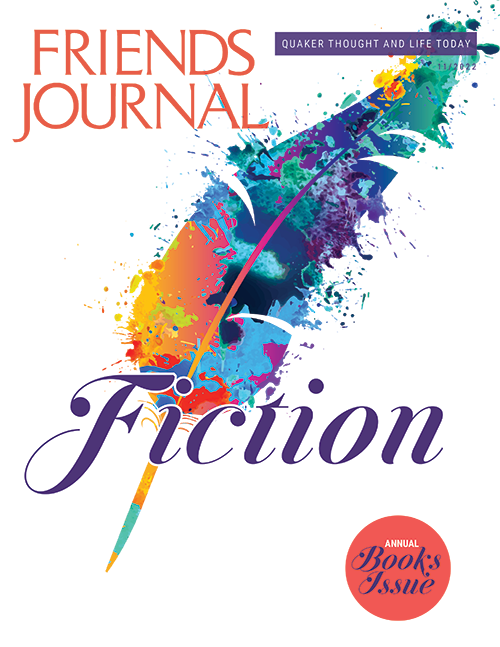
Reflecting on my own long-term project of reading, and considering how pivotal I feel an honest and empathetic reappraisal of Quaker history (warts and all) is to understanding how our religious society might best thrive and grow, I turned through the pages of this issue with some delight. This is Friends Journal’s second ever fiction issue.
Readers will find Quakers in historical fiction by Deborah Ramsey and Dwight Wilson, delving into the lives and perspectives of Black Americans among Friends in the nineteenth century. Charles Bunner invites us to observe a curious peer through the eyes of an anonymous itinerant carpenter in biblical Jerusalem. Kat Griffith brings a satirical investment prospectus ripe for our dystopian present. And in “Clarity,” we see a Quaker clearness committee for marriage working exactly as intended, though not necessarily how one might imagine it!
The fiction selections here accompany a special, expanded reviews section, a November tradition for us. I’d like to acknowledge a transition this month, too: book review editor John Bond passes the baton to Kathleen Jenkins of Live Oak Meeting in Houston, Tex. We thank John for his service and contributions to the magazine and welcome Kathleen to this important ministry.
I’ll be interested to hear what you think about this issue, dear reader! As always, you’re invited to join a conversation in the comments section of any story you might read in these pages on our website, Friendsjournal.org.
P.S. This month we’re launching Quakers Today, a new podcast hosted by Quaker performing artist and scholar Peterson Toscano. The first episode drops on November 15. Find Quakers Today wherever you get your podcasts, and on our website at Friendsjournal.org/podcast.

We want to hear from you, not an AI! Please be thoughtful and use your own words. Comments on Friendsjournal.org may be used in the Forum of the print magazine and may be edited for length and clarity.