



I remember my days in debt and how they suddenly ended one day. As a gay solo performance artist, I routinely experienced cash flow problems, and credit cards got me through the lean months, even as the balances grew larger and larger. Still, the credit card companies continued to increase my credit limit.
At one point, I stopped looking at the balances on the maxed-out statements. I wrote a check for the minimum amount, then ignored my debt for another month. It was my version of “don’t ask, don’t tell.”
Then, after over ten years of debt, I received an inheritance that finally allowed me to pay off all of the debt and still have money to invest for retirement.
What do you think of when you hear the word inheritance? I’ve always imagined an eccentric aunt with a manor house and a carriage barn filled with horses and antique cars, designating her eccentric nephew as heir to her entire fortune.
I grew up in a working-class Italian American family. My dad was a welder, and my mom a housewife; neither finished high school, but they learned from my entrepreneurial grandfather, Frank Toscano. Even with his limited English skills and minimal education, Frank kept his wife and six children fed, clothed, and sheltered from the 1920s to the late 1960s through a string of small businesses he started in the Bronx, N.Y. He started selling coal in the winter and ice in the summer, then ran a moving company, and finally opened a scrap metal yard.
My parents purchased a bar 100 miles outside of New York City and turned it into a prosperous restaurant. At “Pete’s Pub,” they worked six days a week, often from 8:00 a.m. until after midnight. My mom oversaw the finances and refused to purchase anything on credit. On the occasions when she experienced cash-flow problems, I heard her say she needed to “rob Peter to pay Paul.” As a child, I had no idea how she personally knew the apostles, but I assumed paying the bills required supernatural intervention from the saints. Turns out, I wasn’t far off.
I eventually figured out that robbing Peter meant my mom calling her insurance agent to request a partial cash surrender from the value of her life insurance policy, or delaying the purchase of a commercial refrigerator she needed until the door on the family fridge fell off, or sending us kids to stay with our Uncle Frankie and Aunt Rolla in New Jersey for two weeks each summer, instead of going on the family vacations we postponed ten years in a row. For decades, they robbed Peter by denying themselves, and one day, they gave my sisters and me a substantial payout.
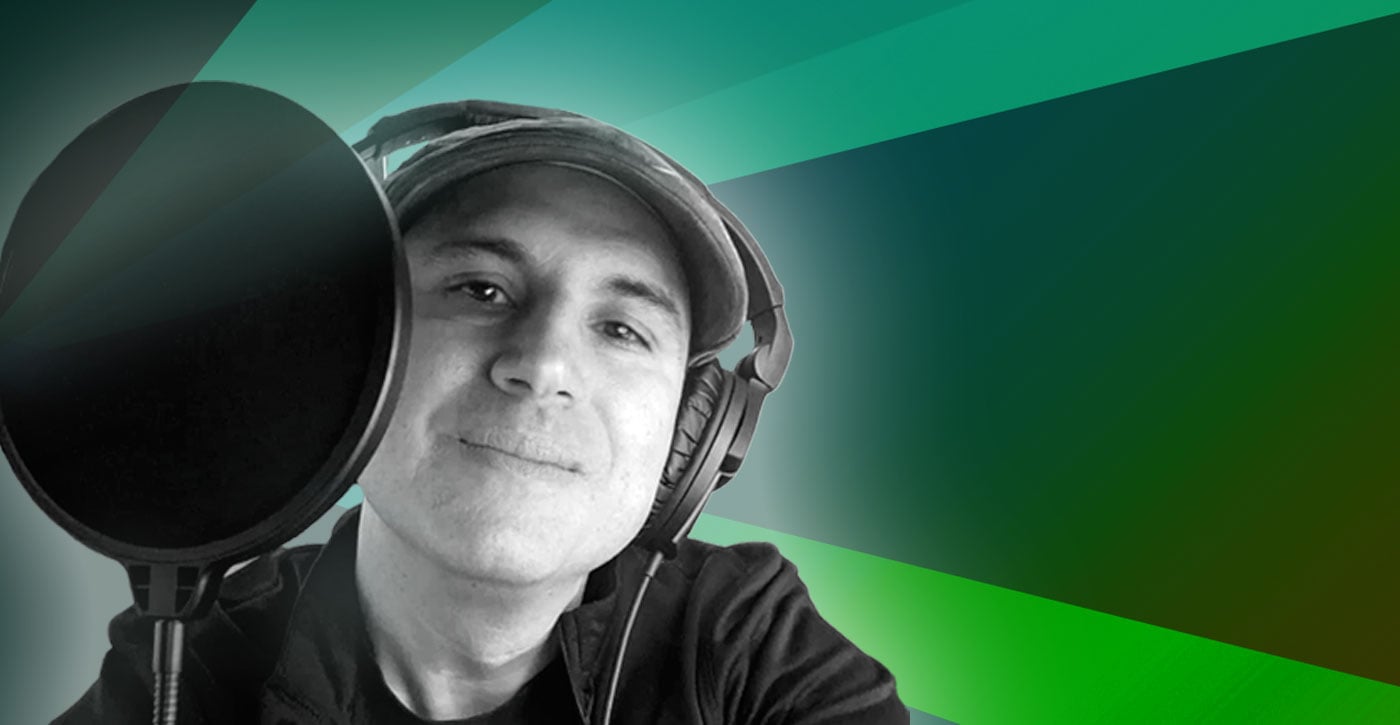
I’ve never thought of myself as rich or even middle class, but Diana Yañez, my Quakers Today cohost for a special series focused on Quakers and money, and our guests, are asking challenging questions that reveal the multiple forms of wealth I possess. In the recent episode entitled “Quakers and Capitalism,” Traci Hjelt Sullivan, executive director of Right Sharing of World Resources, comments on the hidden ways ancestral money benefits those who have it: “Both my husband and I had our undergraduate education paid for by our parents. Is graduating without debt a form of wealth? I think it is, especially nowadays. Starting adult life with no debt gave us so many opportunities. It’s a form of ancestral wealth.”
When I worked as a performance artist, I managed to do it full-time, unlike many of my fellow performance artists—white lesbians, trans people, and straight and queer People of Color—who had to juggle multiple part-time jobs and temporary gigs to stay afloat. I didn’t work harder than they did, and I was not more skilled. But according to the way the world worked, I was lucky. Many times I showed up to perform at a fancy university, and strangers in the community offered me their cars, places to stay in their homes, and other gigs in the area. Over time, I learned that venues paid me a higher fee than many of my peers. I’ve often wondered what opportunities came my way because I am white and male. Many artists creatively make their work sustainable, but for some of us, this is easier than for others.
I also had a support committee that my meeting, Hartford (Conn.) Meeting, formed for me. In addition to spiritual support, they provided rides to some of my regional gigs after I sold my car to save money. They gave me interest-free loans that took me years to pay back. My success as a performance activist came from a community that supported me and from a world that openly welcomed and trusted me.
Coming up next month: I don’t feel guilty about naming these privileges and forms of wealth, but I do feel a growing responsibility for the money I am saving for retirement and where I spend it, in addition to my relationship with money and “stuff.” In the August episode, “Quakers and Wealth,” we hear from Fran Brokaw, a Quaker who became wealthy from a large family inheritance. She shares a query that has enabled her to think more deeply: “Is this my money?” Her answer may surprise you: “It shouldn’t belong to me. It should go through me. It should be a channel. I can channel it as energy, as love, and not hoard it—and not let it just sit in a brokerage account or something like that.”
Fran inspires me to ask hard questions about my own life and money. In next month’s column, I’ll consider a few, which I invite you to think about as well, including, how ethical are my retirement investments? How might leaning into more simplicity free up finances so they can flow through me and also provide me with the benefits of living with less? Beyond being responsible for my personal wealth, how can my connections to organizations, businesses, and my Quaker meeting help engage justice-minded finance on a larger scale?
Resources and Recommendations
Check out the QuakerSpeak video “What If Wall Street Were Honest?” featuring an interview with North Carolina Quaker Mark Hulbert, who has tracked investment advisors since the early 1980s (QuakerSpeak.com). Also recommended in the June episode is to play Spent (playspent.org), a free browser-based survival game that places players inside the poverty trap. You begin with $1,000 and try to survive for 30 days while making impossible choices: pay rent, fix the car, buy medicine, or keep the lights on. It offers one way to better understand how expensive it can be to be poor in the current economic system.
Do you have a question about Quaker values and money? Or a resource to recommend from your own financial journey? Let us know and you might get featured on the show! Leave a voicemail by calling 317-QUAKERS (317-782-5377) or send an email to [email protected].
Quakers Today is a production of Friends Publishing Corporation. Listen at QuakersToday.org or your favorite podcast app, and watch extended video interviews on our YouTube channel at Youtube.com/friendsjournal.
Quakers Today Season 6 sponsors
Friends Fiduciary: Ethical investing through a Quaker lens.
American Friends Service Committee: Challenging injustice and building peace.

We want to hear from you, not an AI! Please be thoughtful and use your own words. Comments on Friendsjournal.org may be used in the Forum of the print magazine and may be edited for length and clarity.