



Bringing Our Hidden Selves to the Light
I came to Friends searching for a connection to the Divine and a spiritual community. I brought a history of severe childhood trauma, mental health disabilities, and the continuing effects of both internally and externally expressed stigma. I am also neurodivergent, although I did not have a word or an understanding of this at the time. I wanted to be accepted by this community of Friends, but I feared rejection if others saw what I perceived as my brokenness.
I always felt welcomed in the meeting I chose. I was met with sincere smiles and warm greetings, no matter how long my absence. However, there seemed to be a core group in which I never felt included. This painful feeling of being beside but not within my Quaker meeting continued for many years.
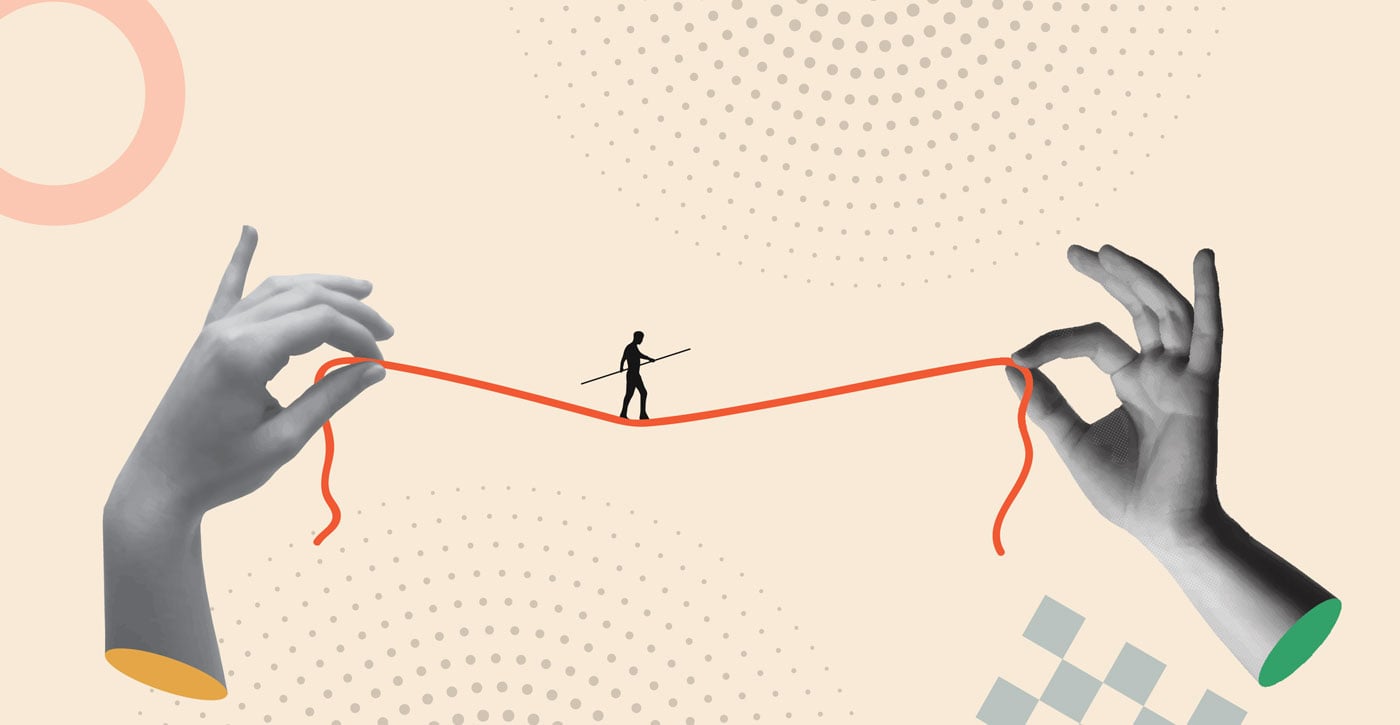
I blamed my experience on my past history with mental illness. I was sure others could clearly see my mental health challenges. I tried to hide the difficult parts of my life, constantly dancing on a tightrope of what was okay to reveal and what was not.
There is an instinctual drive to hold parts of ourselves that we think are unacceptable separate from others. We may be driven by shame, guilt, or a desire to be accepted and held in esteem. Fear can seduce us into believing we are unique due to our hidden parts, but this is false. Those shadow aspects of ourselves are essential parts of our humanity. We all contain a shadow self.

There is an instinctual drive to hold parts of ourselves that we think are unacceptable separate from others. We may be driven by shame, guilt, or a desire to be accepted and held in esteem. Those shadow aspects of ourselves are essential parts of our humanity.
Years after my initial tentative steps into the meeting, we faced the return of a member from prison who had been convicted of sexual crimes relating to children. It was an extremely difficult time for everyone in the meeting. I kept quiet during long deliberations discussing the return, as the topic was simply too painful for me.
One night before a key business meeting, I woke up from an especially vivid dream with a pounding heart and knew I was being led to speak. On Sunday, I stood shakily before my meeting and stated I was a survivor of severe abuse by multiple perpetrators. It was even more difficult to say that I had been in prolonged and intensive treatment for years, including short- and long-term inpatient hospitalizations. The decisions made by the meeting were well thought out, but I wanted to make sure the needs of those who had been previously traumatized were kept in mind as we accepted our member back to Sunday meeting for worship.
Out of that business meeting, a small group was formed to work on educating the meeting about trauma. We agreed on a firm boundary: details of specific traumas would not be shared. However, in the educational meetings, I shared my experiences of post-traumatic stress disorder in greater detail.
I knew nobody in meeting would deliberately hurt me, but I still worried that I would be kept at a greater distance, condescended to, or pitied. Instead, something amazing (at least to me) happened: I was accepted and brought in closer to my meeting community. It was life-changing. The distance that had haunted me turned out to be unconsciously self-imposed. Out of fear, I had distanced myself. By opening my deeply held self to others, I began to learn the gifts of authenticity.
There is a gift that comes with showing more of your authentic self. When you lift yourself above your fear, shame, and sense of separation, you clear a path for Light. I found myself offering more vocal ministry. I became more involved in my meeting through a service role. I felt myself drawn into a leading, even as that leading continues to define itself.
Showing hidden parts of yourself can become an invitation for others to open themselves. When I began to share my experience dealing with trauma and mental health stigma, people began to share their own stories. Many Friends had kept their stories to themselves, afraid of judgement. When we talked amongst ourselves, we found a shared sense of community. We found we were not alone.
More surprising, even those who did not have a history of trauma or mental health issues felt way open to share more of themselves and their lives. They, too, shared in the community that was being built. What is needed is the first voice to speak from the heart.
Speaking from our most tender place can make us feel vulnerable, but it is there that Spirit resides. Early Friends knew we were all flawed people struggling to live up to and within the Light. They confessed their shortcomings and shared their struggles, knowing the community can bring strength. Out of the strength of community, out of trust that had been tested, Friends testified to the Truth. Prophecy does not reside in the head but deep within the soul.
It can be challenging to listen to another’s strong emotions or painful truths as they reveal their hidden self. We may want to push away from what disturbs us, fix the pain, or even the person themselves. Instead, we should listen to the truth that is being offered, be present, be a witness, and hold both the person who is sharing and ourselves in the Light.
People in meeting can learn to look within themselves and find the still, immovable center that lifts us up to meet the pain of individuals and the world from a place of peace. This is, after all, one of the essential leadings we take on as Quakers.
The unfortunate truth is there can be real risk in sharing our hidden selves. There are Friends who have spoken of their struggles, only to be condescended to or have their opinions dismissed as signs of their difficulties. Friends have spoken of their experiences and pain from racism and other discrimination, only to be told that they are too loud or overly sensitive. People may run across individuals who are trapped in automatic learned patterns of judgment. Individuals stuck in those patterns may instinctively react out of that judgment. These experiences are hurtful, and they are real. They should never be discounted.

Only when we open ourselves and our vulnerabilities to Spirit and others can we understand the depths of love and forgiveness that the Light can bring. Only when we have known this complete acceptance can we begin to feel true love and connection.
Can we accept all present and potential members, even those who may be on the edges, who may not reflect our current inner circles? Can we unlearn our own habits of judgment? Authenticity is wholeness. Inviting in those outside our comfort zone can open ways for Spirit to reveal truths that have been hidden in our own reach for familiarity. Inviting all who seek to enter our meetinghouses as their full and total selves allows a meeting and the Society of Friends to become truly authentic.
Authenticity is both a blessing and a terrifying challenge. How much of revealing ourselves is too much? I still find myself walking that tightrope. I have found that the closer I can speak honestly and truthfully from my heart, the closer I find myself connected to both my Friends community and that which I call God. Each one of us must walk our own tightrope, trusting that if we listen to God within, we will walk with surer feet.
All of us have wounds and the scars of healing. We may try to hide ourselves, our errors, and our own shame. We may mute our own feelings of hurt, outrage, and anger. But Spirit already sees all of us, including the parts we hide from others and even from ourselves.
Only when we open ourselves and our vulnerabilities to Spirit and others can we understand the depths of love and forgiveness that the Light can bring. We learn that the Divine has always loved us. We learn that others will welcome our whole self and see the sharing of our hidden selves as the invitation that it is. Only when we have known this complete acceptance can we begin to feel true love and connection. Finally, only then can we fully begin to offer others the same love, forgiveness, and healing that we ourselves have experienced.
This was such an awesome, inspiring read!